



BLOG CATEGORIES


Sinclaire Home Services
If you’ve recently purchased an electric vehicle or you’re thinking about making the switch, one of the first things you’ll want to figure out is how to charge it at home. Relying on public charging stations might work in a pinch, but nothing beats the convenience of plugging in overnight and waking up to a full battery every morning.
Here’s the thing, though: installing a home EV charger isn’t as simple as plugging in a new appliance. It requires a licensed electrician near me (or near you) who understands residential electrical systems and can ensure everything is set up safely and to code. That’s where Sinclaire Home Services comes in. As a family-owned company serving Walpole, MA and the surrounding areas for over 75 years, Sinclaire is much more than one of the area’s trusted plumbing and heating companies; we’re also licensed electrical experts and a certified EV charger installer listed on GoClean.MassCEC.
In this guide, we’ll walk you through everything you need to know about preparing your home for an EV charger installation, what a licensed electrician actually does during the process, and how to take advantage of Massachusetts rebates and tax credits along the way.
Why More Massachusetts Homeowners Are Installing EV Chargers
Electric vehicle adoption in Massachusetts has been climbing steadily over the past several years, and it’s not hard to see why. Between rising fuel costs, growing environmental awareness, and generous state incentives designed to accelerate the transition to clean energy, more homeowners than ever are making the switch.
Once you own an EV, the next logical step is home charging. Most electric vehicles come with a Level 1 charger, essentially a cord that plugs into a standard 120-volt household outlet. While it works, Level 1 charging is slow, often adding only 3 to 5 miles of range per hour. For most drivers, that’s simply not enough to keep up with daily use.
That’s why the majority of EV owners opt for a Level 2 charger. A Level 2 EV charger operates on a 240-volt circuit, similar to what powers your clothes dryer or electric range, and it can fully charge most electric vehicles in just 4 to 8 hours. It’s the sweet spot between speed, cost, and practicality for residential use.
But installing a Level 2 charger isn’t a plug-and-play situation. It requires dedicated wiring, a new circuit breaker, and a thorough understanding of your home’s electrical capacity. That’s why a qualified “electrician near me” should be your first call, not a general handyman or a YouTube tutorial. And when that electrician works for a full-service company like Sinclaire Home Services, one that also handles heating, AC, plumbing, and electrical work, we are uniquely equipped to evaluate your entire home’s infrastructure, not just the electrical panel.
How to Get Your Home Ready for an EV Charger
Getting your home ready for a new charger is a collaborative process between you and your electrician. The good news is that a little bit of planning goes a long way toward making the installation faster, smoother, and more affordable.
Assess Your Electrical Panel
This is the single most important step. Many older homes in the Walpole, Medfield, and Millis areas were built with 100-amp electrical panels, and that simply may not be enough to support a new 240-volt circuit for an EV charger on top of your existing electrical load. A licensed electrician near me will evaluate your panel’s current capacity, determine whether there’s room for a new dedicated circuit, and advise on whether a panel upgrade to 200 amps is necessary before installation can proceed.
This isn’t something you want to guess about. An overloaded panel isn’t just inconvenient, it’s a safety hazard.
Choose the Right Charger Location
Where your EV charger gets installed matters more than you might think. The ideal location depends on several factors: how close it is to your electrical panel (shorter wire runs cost less), where you typically park your vehicle (inside a garage or in the driveway), and whether the charger will be exposed to the elements. Outdoor installations require weatherproof-rated equipment and enclosures, which your electrician will factor into the plan.
Homeowner Preparation Checklist
Before your electrician arrives, here’s what you can do to make the process as efficient as possible:
- Clear the area around your electrical panel and the intended charger location
- Know your vehicle’s charging specifications, including connector type and power requirements
- Check your homeowner’s insurance policy for any clauses related to electrical upgrades
- Gather any HOA guidelines that may apply to exterior installations
- Have your most recent electricity bill available so the electrician can review your current usage
Taking care of these items ahead of time ensures your electrician can focus on the technical work from the moment they walk through the door.
What a Licensed Electrician Does During EV Charger Installation
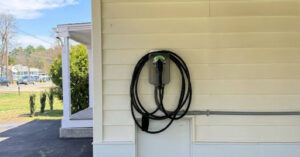
So what actually happens once you’ve scheduled the work? Here’s a behind-the-scenes look at the work a licensed electrician performs and why each step matters.
Initial Home Electrical Inspection
Before anything gets installed, the electrician conducts a thorough assessment of your home’s electrical system. This includes evaluating the existing wiring, checking grounding and bonding, inspecting the circuit breaker panel for available slots and overall capacity, and identifying any potential issues that could affect the installation. This inspection determines whether your home is ready for a new 240-volt dedicated circuit or if upgrades need to happen first.
Think of it as a health check for your home’s electrical system. You wouldn’t add a major new load without understanding what the system can handle.
Permitting and Code Compliance
In Massachusetts, any new 240-volt circuit installation requires an electrical permit. This isn’t optional, it’s the law. A licensed electrician handles the entire permit application process and ensures that every aspect of the installation meets the National Electrical Code (NEC) as well as local building codes specific to your municipality.
This is one of the major advantages of working with a company like Sinclaire Home Services. Our team manages permitting from start to finish, so you never have to set foot in a municipal office or worry about code compliance. When the work is done, we also coordinate the required inspection to close out the permit.
Wiring, Circuit Installation, and Final Setup
With permits in hand and a clear plan, the electrician gets to work. This involves running new wiring from your electrical panel to the charger location, installing a dedicated 240-volt circuit with the appropriate amperage breaker (typically 40 or 50 amps), mounting the EV charging unit, and performing a comprehensive safety test to confirm everything is functioning correctly.
Depending on your home’s layout and the distance between the panel and the charger, this may involve routing wiring through walls, ceilings, or along exterior surfaces. A skilled electrician ensures the wiring is protected, properly secured, and completely up to code.
This is precisely why professional installation matters. An improperly wired EV charger is a fire hazard, can damage your vehicle’s battery system, and may void your vehicle’s warranty entirely.
Why You Should Never DIY This Type of Electrical Work
We get it, the internet is full of how-to videos, and it can be tempting to save a few hundred dollars by tackling the installation yourself. But when it comes to this type of electrical work, the risks of a DIY approach far outweigh the savings.
Here’s what’s at stake. Improper wiring can cause electrical fires, one of the leading causes of residential home damage. Work done without a permit violates Massachusetts building codes and can create serious problems when you try to sell your home. Insurance companies may deny claims related to unpermitted electrical work. And most vehicle manufacturers explicitly state that charger installation must be performed by a licensed professional to maintain warranty coverage.
Searching for a reputable “electrician near me” is the safest, smartest move you can make. Sinclaire Home Services has been a trusted name in the community since 1948. We are BBB-accredited, fully licensed and insured, and our electricians specialize in residential work, including home charging setups.
As one of the area’s leading plumbing and heating companies with a complete electrical division, Sinclaire Home Services also has the expertise to address any related issues that may come to light during the installation process, whether that’s outdated wiring, a panel that also affects your HVAC system, or grounding issues that need attention. When one team understands your entire home, nothing falls through the cracks.
EV Charger Rebates and Incentives in Massachusetts
One of the best things about installing an EV charger in Massachusetts right now is the number of financial incentive programs available to homeowners. These programs can significantly reduce your out-of-pocket costs:
- Mass Save® Rebate: Up to $700 toward the cost of a residential home charger setup for eligible homeowners
- Federal Tax Credit: Up to 30% of total installation costs through the Inflation Reduction Act (Section 30C), which applies to both the equipment and labor
- MassCEC Programs: Sinclaire Home Services is a certified contractor listed on GoClean.MassCEC, meaning homeowners who choose Sinclaire gain access to additional state-backed clean energy incentives
- Utility-Specific Programs: Several Massachusetts utilities offer time-of-use rate plans that let you charge your EV during off-peak hours at a reduced rate, bringing down your monthly charging costs even further
The best part? Sinclaire Home Services helps homeowners navigate the rebate application process from start to finish. Our team knows which programs you qualify for, what paperwork is required, and how to make sure you don’t leave money on the table.
Frequently Asked Questions About Home EV Chargers
How long does it take to install an EV charger at home?
Most Level 2 charger setups take between 2 and 4 hours once the electrical panel and wiring are ready. If a panel upgrade is needed, the full project may take 1 to 2 days, including the upgrade and charger installation.
Do I need a permit to install an EV charger in Massachusetts?
Yes. Massachusetts requires an electrical permit for this type of work. A licensed electrician, like the team at Sinclaire Home Services, handles all permitting and inspections on your behalf so you don’t have to worry about the paperwork.
Can any electrician install an EV charger?
While any licensed electrician can technically perform the work, it’s best to choose one with specific experience in this field. Sinclaire Home Services is a MassCEC-listed installer, which ensures a high level of expertise and makes homeowners eligible for state rebates.
How do I find a reliable electrician near me for home charger work?
Look for a licensed, insured electrician with documented experience in this area, strong customer reviews, and knowledge of local codes and rebate programs. Sinclaire Home Services checks every box, serving Walpole, MA, and the surrounding communities since 1948.
Will installing an EV charger increase my electric bill?
Yes, but the increase is typically modest and far less than what most households spend on gasoline each month. Charging during off-peak hours and taking advantage of utility time-of-use rate programs can reduce your charging costs significantly.
Get Your Home EV-Ready With Sinclaire Home Services
Preparing your home for an EV charger doesn’t have to be complicated. It starts with understanding your electrical system, choosing the right charger and location, and most importantly, partnering with a licensed “electrician near me” who can handle the full scope of work safely and efficiently. From the initial panel assessment and permitting to professional wiring and final testing, the process is straightforward when you have the right team behind you.
As one of Massachusetts’ most trusted plumbing and heating companies with a dedicated electrical division, Sinclaire Home Services brings over 75 years of experience, MassCEC certification, and a genuine commitment to making every EV charger installation seamless from start to finish. Whether you’re a first-time EV owner looking to set up your home charging station or you’re upgrading an existing setup for a newer vehicle, the Sinclaire team is ready to help you charge smarter, safer, and more affordably right at home.
Ready to get started?
Call Sinclaire Home Services at (508) 507-6373 or schedule your free EV charger consultation online today.
OUR SERVICE AREAS
- Ashland, Ma
- Attleboro, Ma
- Bellingham, Ma
- BLACKSTONE, MA
- BRIDGEWATER, MA
- Canton, Ma
- Dedham, Ma
- Dover, Ma
- EAST BRIDGEWATER, MA
- Easton, Ma
- Foxborough, Ma
- Framingham, Ma
- Franklin, Ma
- Holliston, Ma
- HOPEDALE, MA
- Hopkinton, Ma
- Lakeville, MA
- Mansfield, Ma
- Medfield, Ma
- Medway, Ma
- MENDON, MA
- Middleborough, MA
- MILFORD, MA
- MILLIS, MA
- MILLVILLE, MA
- MILTON, MA
- NATICK, MA
- NEEDHAM, MA
- NEWTON, MA
- NORFOLK, MA
- NORTH ATTLEBORO, MA
- NORTON, MA
- NORWOOD, MA
- PLAINVILLE, MA
- RANDOLPH, MA
- RAYNHAM, MA
- SHARON, MA
- SHERBORN, MA
- STOUGHTON, MA
- SUDBURY, MA
- TAUNTON, MA
- WALPOLE, MA
- WAYLAND, MA
- WELLESLEY, MA
- WEST BRIDGEWATER, MA
- WEST ROXBURY, MA
- WESTON, MA
- WESTWOOD, MA
- WRENTHAM, MA
AFFILIATIONS

 Call NOW (508) 507-6373