



BLOG CATEGORIES

Sinclaire Home Services
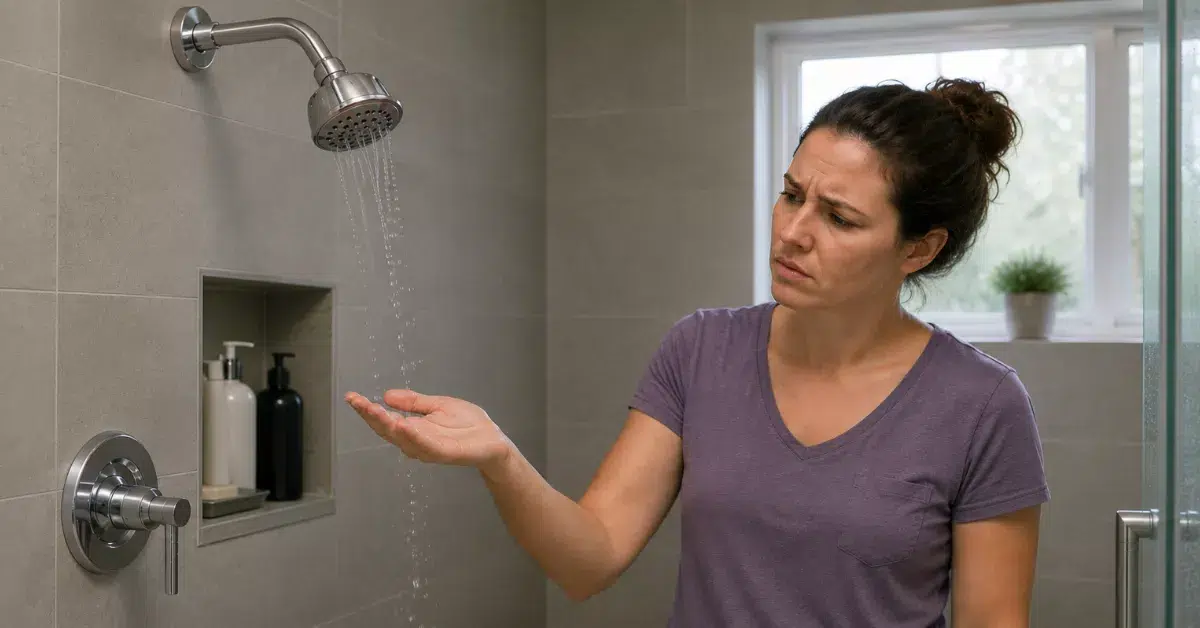
Dealing with low water pressure in your shower can really put a damper on your daily routine, but it might also suggest deeper plumbing problems at play. Several factors can lead to this frustrating issue, from simple fixes within your showerhead to more complex problems within your home’s plumbing system. In this post, we’ll explore the common causes of low water pressure in the shower and offer practical solutions.
If weak flow also affects sinks, tubs, or appliances, the issue may point to whole-home water pressure problems that need pressure troubleshooting.
What You Will Learn
In this guide, you’ll learn how to:
- Spot common low water pressure reasons in showers, faucets, and whole-home plumbing.
- Tell whether the issue is isolated to one fixture or connected to broader home water pressure problems.
- Try safe plumbing fixes, such as cleaning a showerhead or checking valves.
- Know when pressure troubleshooting should be handled by a licensed plumber.
What Causes Low Water Pressure in the Shower?
Low water pressure in your shower can stem from various sources, each with its own set of solutions. The most common low water pressure reasons include mineral buildup, leaking pipes, aging plumbing, valve problems, pressure regulator failure, or an issue with the main water supply. Let’s explore the most common causes to help you diagnose and fix the issue effectively.
As a family-owned home services company serving the Boston area since 1948, Sinclaire Home Services helps homeowners identify whether low pressure is a simple fixture issue or a larger plumbing concern. Our licensed technicians can inspect your system, explain the likely cause, and recommend practical plumbing fixes that fit your home.
Clogged Showerhead
A common reason for low water pressure is a clogged showerhead. Over time, minerals like calcium and magnesium from hard water can accumulate and block the tiny holes in the showerhead, reducing water flow.
This issue can often be resolved by soaking the showerhead in a vinegar solution to dissolve the mineral deposits. If the clogging is severe, replacing the showerhead might be the best solution. Regular cleaning as part of routine maintenance can prevent this buildup and maintain good water pressure.
Corroded Plumbing
In older homes, corrosion in the pipes might be the culprit behind low water pressure. As pipes age, rust and other forms of corrosion can narrow the inner surfaces of the pipes, restricting water flow. This issue is more complex and may require a professional plumber to assess and replace the affected pipes. Replacing old, corroded pipes not only improves water pressure but also enhances the overall quality of the water in your home.
Yes, old pipes can cause pressure problems. Corroded supply lines, galvanized pipes, or scale buildup can restrict flow over time, especially in older homes.
Faulty Pressure Regulator
Some homes are equipped with a pressure regulator, which helps maintain consistent water pressure throughout the plumbing system. If this regulator fails, it can significantly decrease water pressure.
If you suspect the pressure regulator is the problem, it is advisable to hire a professional to confirm the diagnosis and replace the regulator if necessary. This is not typically a DIY job, as incorrect adjustments can lead to further plumbing problems.
Partially Closed Main Shutoff Valve
The main shutoff valve controls water flow into your entire home, and if it’s not fully open, it can affect water pressure in the shower and all other fixtures. This valve may have been turned and not fully reopened after repair or maintenance.
Check to ensure it’s fully open — it should be located where the main water line enters the house. If you’re unsure how to locate or adjust this valve, a plumber can quickly handle this for you.
Plumbing Leaks
Leaks in your plumbing system can divert water away from where it’s supposed to go, leading to noticeable drops in water pressure. If you notice a sudden change in pressure, inspect for visible leaks in exposed pipes, under sinks, and around your water heater. More hidden leaks may require a professional plumber who can perform pressure tests on your system to locate and repair the leaks.
Yes. A hidden leak can reduce the amount of water reaching your shower, faucets, or appliances. Watch for damp areas, water stains, running water sounds, or an unexplained increase in your water bill.
Problem with the Main Water Supply
Sometimes, the problem extends beyond your home’s internal plumbing. If you notice low water pressure in other areas of your home as well, the issue may lie with the main water supply. This could be due to a partially closed main water valve or issues with the municipal water supply, such as line breaks or maintenance work. Check if your neighbors are experiencing similar issues; if they are, the problem is likely with the local water supply.
Quick Guide to Common Water Pressure Problems
| Possible Cause | Where You May Notice It | What to Do Next |
|---|---|---|
| Clogged showerhead | One shower | Clean or replace the showerhead. |
| Partially closed valve | One area or the whole home | Confirm valves are fully open. |
| Leak in the plumbing system | Sudden drop in pressure | Check visible pipes and call for leak detection if needed. |
| Corroded or aging pipes | Gradual pressure decline | Schedule a plumbing inspection. |
| Pressure regulator issue | Multiple fixtures | Have a plumber test and adjust or replace it. |
What if the Low Water Pressure is in the Shower Only?
If you’re experiencing low water pressure specifically in your shower, here are some localized issues that might be the cause:
- Faulty Diverter Valve: A malfunctioning diverter valve can reduce water flow to the showerhead.
- Blocked or Damaged Pipes: Pipes leading to the shower that are blocked or damaged can restrict flow.
- Shower Valve Issues: Problems with the shower valve can lead to reduced pressure.
- Low Flow Shower Head: A showerhead designed to conserve water may result in lower pressure.
If every other faucet works normally, start with the showerhead, diverter, and shower valve before assuming the entire plumbing system is affected.
What if the Hot Water Pressure is Low but Cold Water is Fine in the Shower?
Experiencing low hot water pressure in your shower when the cold water pressure is fine is a fairly common issue. This often occurs in homes with older plumbing or water heaters that haven’t been regularly maintained.
Here are some common reasons:
- Water Heater Issues: Problems with your water heater can reduce hot water pressure.
- Sediment Buildup in Water Heater: Accumulation of sediment at the bottom of the heater can block the water flow.
- Faulty Thermostatic Mixing Valve: A malfunctioning valve can restrict hot water flow.
- Partially Closed Hot Water Valve: Ensure the valve leading to your shower is fully open.
Hot-water-only pressure problems often need a closer look at your water heater, supply valve, or mixing valve. If the water heater has not been serviced recently, sediment may be limiting flow and affecting comfort.
How to Increase Low Water Pressure in the Shower
Experiencing low water pressure in your shower can be frustrating, but there are several DIY methods to increase the pressure that you can try.
Clean or Replace Your Showerhead
Over time, showerheads can become clogged with mineral deposits that reduce water flow. Start by unscrewing the showerhead and soaking it in a vinegar solution overnight. This can help dissolve the mineral buildup. If the showerhead is heavily clogged or damaged, consider replacing it with a new one that is not labeled as low flow if you prefer stronger pressure.
Check for and Fix Any Leaks
Leaks in your plumbing can divert water away from your shower, causing a decrease in pressure. Inspect all visible pipes and connections for signs of dripping or moisture. Pay special attention to the area around the shower controls and where pipes connect. Tightening connections or replacing worn sections might be necessary to resolve leaks and improve pressure.
Inspect and Open All Valves
Sometimes valves along your water line might not be fully open. Ensure that both the main water valve and any local valves leading to the bathroom are completely open. These valves can sometimes be accidentally turned during maintenance or renovations, so it’s worth double-checking.
Install a Water Pressure Booster Pump
If your home suffers from overall low water pressure and simpler fixes have not solved the problem, installing a water pressure booster pump might be the solution. This device amplifies the water pressure in your entire home, including your shower. Installation can be complex, involving adjustments to your home’s plumbing system, so consulting with a professional plumber for this option is advised.
Before installing a booster pump, have a plumber confirm the root cause. A booster can help in certain homes, but it will not solve pressure loss caused by leaks, blocked pipes, or a failing regulator.
Step-by-Step Pressure Troubleshooting
- Test more than one fixture. Check the shower, bathroom sink, kitchen sink, and outdoor spigot to see whether the issue is isolated or home-wide.
- Compare hot and cold water. If only hot water is weak, the water heater or hot water valve may be involved.
- Clean the showerhead or faucet aerator. Remove mineral buildup, then retest the pressure.
- Check valves and call a plumber if the issue continues. A licensed technician can test for leaks, regulator issues, pipe restrictions, or main supply concerns.
When to Call a Plumber to Fix Low Water Pressure in the Shower
While many low water pressure issues can be resolved with DIY methods, there are situations where it’s best to call a professional plumber. Here are some scenarios where expert help is needed:
- Persistent Low Pressure After DIY Fixes: If you’ve tried cleaning or replacing your showerhead, checked for leaks, and ensured all valves are fully open but still experienced low pressure, it’s time to call a plumber.
- Suspected Pipe Blockage or Corrosion: If you suspect that your pipes are blocked or corroded, a plumber can perform a detailed inspection and carry out the necessary repairs or replacements.
- Water Pressure Problems Throughout the House: When low water pressure is not isolated to just one shower but affects your entire home, this could indicate more complex issues with your main supply or plumbing system.
- Installation of a Pressure Booster: Installing a water pressure booster involves complex adjustments to your plumbing system and should be handled by a professional to ensure it’s done correctly.
- Visible Signs of Plumbing Damage: If you notice significant damage to your plumbing, such as burst pipes or major leaks, immediate professional intervention is necessary to prevent further damage to your home.
Calling a plumber early can help protect your home from water damage and prevent small plumbing fixes from becoming larger repairs. Sinclaire Home Services can inspect your water pressure, locate leaks, assess pipe condition, and recommend the right solution for your Walpole or Boston-area home.
If low water pressure is part of a larger plumbing concern, it may also help to review the most expensive plumbing mistakes homeowners make so you know which problems should not be ignored.
Contact Sinclaire Home Services to Fix Your Shower Water Pressure
Whether you’re dealing with persistently low water pressure or suspect more complex plumbing issues, our team at Sinclaire Home Services is here to assist you. As a family-owned business that has been serving the Boston area since 1948, we pride ourselves on our commitment to providing expert plumbing services and exceptional customer care. Our licensed technicians are equipped to handle all your plumbing needs, from routine maintenance to urgent repairs.
Don’t let plumbing problems disrupt your daily routine. Give us a call at (508) 507-6373 or contact us online to learn more or schedule your plumbing service today!
FAQs About Low Water Pressure
What causes low water pressure in the home?
Low water pressure in the home can come from clogged fixtures, partially closed valves, leaks, aging pipes, a pressure regulator issue, or the municipal supply. If several fixtures are affected, the problem is likely system-wide rather than isolated to one shower or faucet.
How do I fix low water pressure in faucets or showers?
Start by cleaning the aerator or showerhead, opening nearby shutoff valves, and checking for visible leaks. If pressure stays low or affects multiple fixtures, schedule a plumbing inspection to test the regulator, pipes, and main supply.
What is the difference between low water pressure and low water flow?
Low water pressure refers to the force pushing water through your plumbing, while low water flow means less water is coming from a fixture. A clogged showerhead may reduce flow even when your home’s pressure is normal. If several fixtures have weak flow, a plumber can test the system to identify the cause.
OUR SERVICE AREAS
- Ashland, Ma
- Attleboro, Ma
- Bellingham, Ma
- BLACKSTONE, MA
- BRIDGEWATER, MA
- Canton, Ma
- Dedham, Ma
- Dover, Ma
- EAST BRIDGEWATER, MA
- Easton, Ma
- Foxborough, Ma
- Framingham, Ma
- Franklin, Ma
- Holliston, Ma
- HOPEDALE, MA
- Hopkinton, Ma
- Lakeville, MA
- Mansfield, Ma
- Medfield, Ma
- Medway, Ma
- MENDON, MA
- Middleborough, MA
- MILFORD, MA
- MILLIS, MA
- MILLVILLE, MA
- MILTON, MA
- NATICK, MA
- NEEDHAM, MA
- NEWTON, MA
- NORFOLK, MA
- NORTH ATTLEBORO, MA
- NORTON, MA
- NORWOOD, MA
- PLAINVILLE, MA
- RANDOLPH, MA
- RAYNHAM, MA
- SHARON, MA
- SHERBORN, MA
- STOUGHTON, MA
- SUDBURY, MA
- TAUNTON, MA
- WALPOLE, MA
- WAYLAND, MA
- WELLESLEY, MA
- WEST BRIDGEWATER, MA
- WEST ROXBURY, MA
- WESTON, MA
- WESTWOOD, MA
- WRENTHAM, MA
AFFILIATIONS

 Call NOW (508) 507-6373